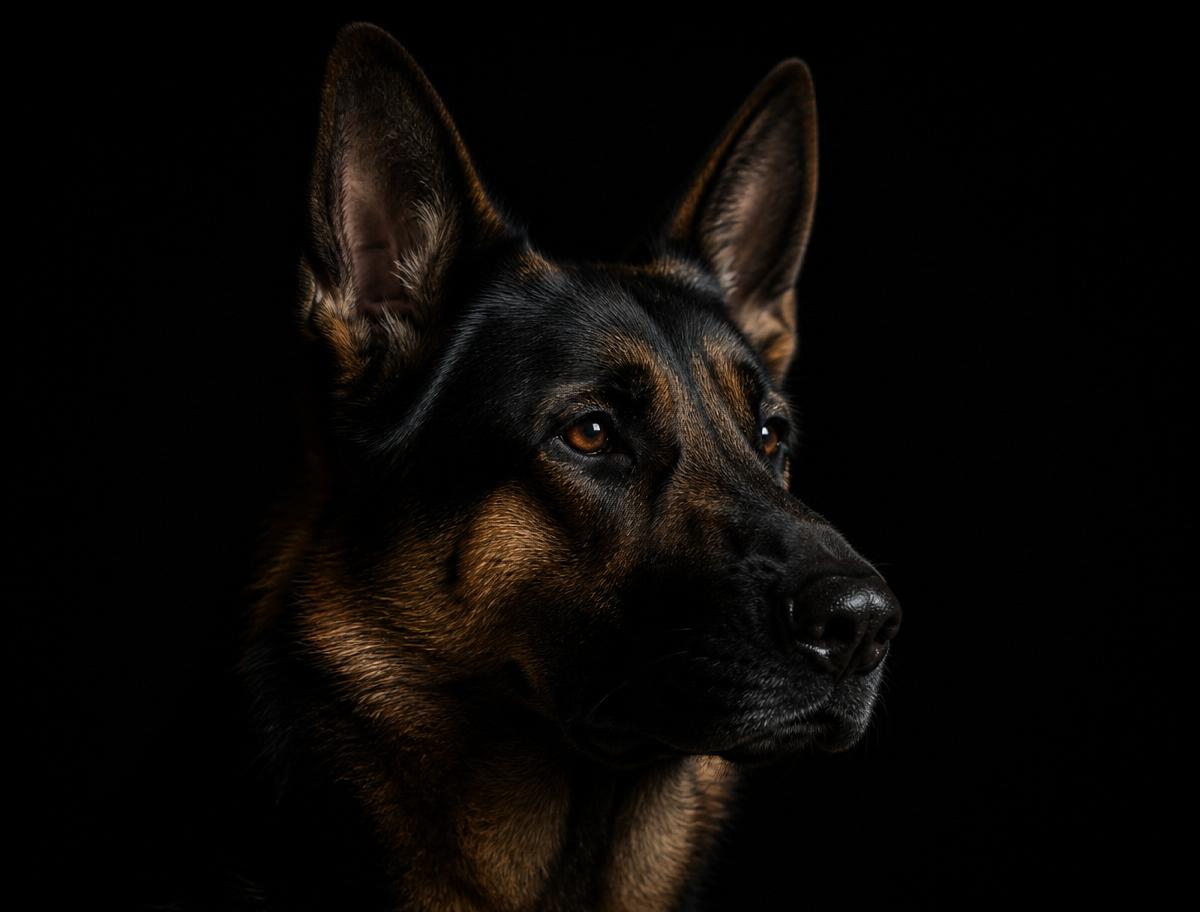
What working line actually means
A working line dog descends from generations selected primarily on working ability, assessed through recognised trials or operational service, with health screening enforced by the breed registry. It is a documented lineage, not a description of an individual dog's energy level.
Ask for pedigrees. If the last three generations show no titles, no service records and no health scores, the phrase means nothing.
Structural differences
Working lines are built to move efficiently for hours: level toplines, moderate rear angulation, tight feet, deep but not exaggerated chests. Show lines by contrast are bred for a flowing gait in the ring, which frequently compromises long-term soundness.
Behavioural differences
Working dogs have higher drive, greater environmental confidence, better recovery and a stronger need for daily work. They are not more difficult, but they are more demanding of your attention and clarity.
- Higher hunt and prey drive, faster recovery
- Stronger nerve and better resilience under pressure
- Greater daily requirement for structured mental work
- Typically better hips, elbows and longevity
Choosing the right line for you
West German lines tend to be the most balanced choice for family protection. DDR and Czech lines bring more substance and defensive maturity. Belgian and Dutch influenced shepherds are lighter and quicker. We will recommend a line based on your environment and goals rather than fashion.